Finance Q&A's
Pension Tax Relief For Individuals
Are you making the most of your pension tax relief? Lakeside Technical Specialist Adam Chambers explains how it’s calculated for individuals, at what point it’s capped, and alternative saving options should you exceed your contribution limit.
What is pension tax relief, and how is it calculated?
A: Pension tax relief is like a ‘bonus’ you receive on your pension contribution from the government. So when you, or your employer (when the employer payment is done NET, like Auto Enrolment), pays into your pension, 20% tax relief is added by the government to help boost your savings.
The amount the government pays is calculated according to the rate of income tax you pay. Basic rate taxpayers get 20% tax relief, while higher rate taxpayers can claim an extra 20% on top to get up to 40% tax relief.
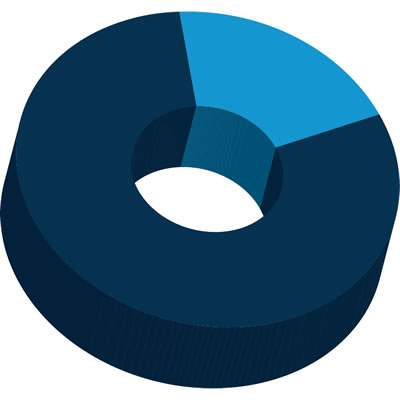
20% Tax Relief
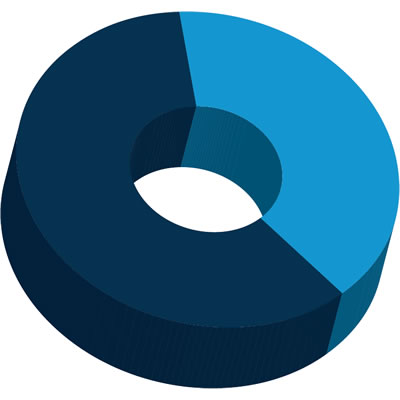
40% Tax Relief
How does an individual claim pension tax relief?
A: Whether employed or self-employed basic rate taxpayers will automatically be paid the 20% into their pension. Meanwhile, for higher rate taxpayers, the first 20% will be paid automatically, but the extra 20% has to be claimed through a self-assessment or by contacting HMRC.
How much pension tax relief can an individual earn each year?
A: The current pensions annual allowance is capped at £40,000. We’d advise clients to take advantage of the tax relief benefits up to this point. When it comes to withdrawing from your pension, you can take 25% of your savings tax-free, with the remaining money taxed at the standard income tax rate. As such, the younger you start paying into a pension, the better chance you stand of making growth on the tax relief given by the government. And so, although they will tax you on part of your pension pot when withdrawing, you should have made more money through interest on the initial tax relief payments.

What happens if an individual’s pension contributions exceed their pension annual allowance?
A: If you go beyond the limit, you will be taxed on contributions straight away and at a different rate which wouldn’t be a tax-efficient way to save. As such, we would rarely advise doing this. If you haven’t used your full pension annual allowance from the previous three years, you may be able to utilise this to pay in more without being taxed.
For those that have maxed out their allowance, we would advise looking at alternative saving options, such as ISAs and GIAs, which would be more tax-efficient.
Please feel free to contact us for further information: admin@lakesidefs.co.uk